



How AI Analytics Tools Help Businesses Make Better Marketing Decisions
In today’s digital-first world, businesses are flooded with data. Every click, every visit, and every purchase tells a story. However, sifting through this mountain of information to find actionable insights can feel like searching for a needle in a haystack. Many business owners are left guessing, making critical marketing decisions based on intuition rather than concrete evidence. This is where the game changes. The rise of Artificial Intelligence (AI) is revolutionizing the world of web analytics, offering powerful new ways to understand your customers and optimize your strategy. By leveraging modern analytics tools for marketers, you can move beyond simple data collection and into the realm of predictive, intelligent decision-making.
This guide will walk you through how AI-powered analytics are transforming business operations, the key benefits they offer, and how you can integrate them into your own marketing efforts to drive measurable growth and gain a competitive edge.
From Traditional to AI-Powered Analytics: A New Era
For years, traditional analytics platforms have been the standard. They provided valuable historical data—how many visitors came to your site, which pages they viewed, and where they came from. While useful, this approach is largely reactive. It tells you what has already happened, requiring you or your team to manually analyze reports, spot trends, and formulate hypotheses. This process is time-consuming and often misses subtle patterns that could unlock significant opportunities.
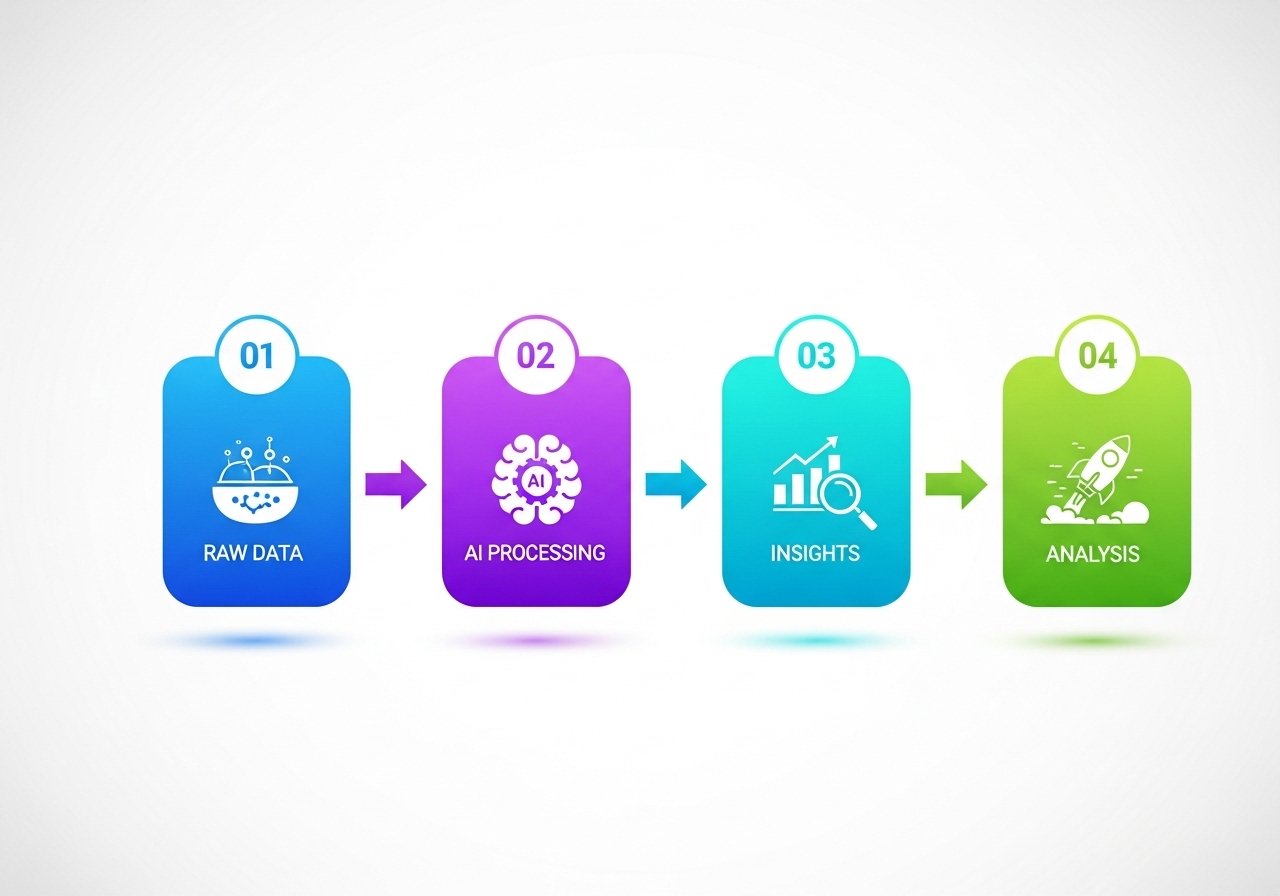
AI-powered analytics represent a fundamental shift from reactive to proactive intelligence. Instead of just presenting raw numbers, these advanced systems use machine learning algorithms to:
- Identify anomalies automatically: Get alerts when there’s a sudden drop in traffic or an unexpected spike in conversions without having to constantly monitor dashboards.
- Predict future outcomes: Forecast future revenue, identify customers likely to churn, or estimate the potential lifetime value of new user segments.
- Provide natural language insights: Ask questions in plain English, like « Which marketing channel brought in the most valuable customers last month? » and get an immediate, understandable answer.
This evolution means that the heavy lifting of data interpretation is increasingly handled by the machine, freeing up your time to focus on strategy and execution.
Key Benefits of Using AI Analytics for Your Business
Integrating AI into your analytics process isn’t just about having the latest technology; it’s about achieving tangible business outcomes. The right tools can provide a significant return on investment by improving efficiency and effectiveness across your marketing efforts.
1. Predictive Insights and Accurate Forecasting
Perhaps the most powerful benefit of AI analytics is its ability to look into the future. By analyzing historical data, these tools can build predictive models to forecast trends. For an eCommerce business, this could mean predicting which products will be in high demand next season. For a service-based company, it could mean identifying which leads are most likely to convert into paying customers, allowing your sales team to prioritize their efforts effectively.
2. Deeper Customer Understanding and Segmentation
AI excels at finding patterns in complex datasets. It can automatically segment your audience into meaningful groups based on behavior, not just demographics. For example, an AI tool might identify a segment of « high-value weekend shoppers » or « users at risk of churning. » This deep understanding allows you to create highly personalized marketing campaigns, messaging, and user experiences that resonate with each specific group, boosting engagement and loyalty.
3. Enhanced Marketing Campaign Performance
Stop wasting your marketing budget on campaigns that don’t perform. AI analytics tools can analyze the performance of your ads, content, and email campaigns in real-time. They can recommend budget adjustments, suggest which ad creatives are performing best, and help you understand the entire customer journey across multiple touchpoints. This data-driven approach ensures you’re investing your resources where they will have the greatest impact.
Essential Features in Modern AI Analytics Tools
When evaluating different analytics tools for marketers, it’s important to know what features will provide the most value. While platforms vary, a few core capabilities are essential for unlocking the power of AI. Many of these features are now being integrated into familiar platforms like Google Analytics 4, making them more accessible than ever.
| Feature | Description | Business Value |
|---|---|---|
| Predictive Metrics | Uses machine learning to forecast user behavior, such as purchase probability or churn probability. | Allows for proactive marketing to high-value or at-risk customer segments. |
| Anomaly Detection | Automatically monitors your data and alerts you to significant, unexpected changes. | Saves time and helps you quickly identify and fix issues or capitalize on new opportunities. |
| Natural Language Queries | Allows users to ask questions about their data in plain language instead of writing complex queries. | Makes data analysis accessible to non-technical team members, democratizing insights. |
| Automated Insights | The system proactively surfaces interesting trends or significant changes in your data. | Reduces manual analysis time and ensures important patterns aren’t missed. |
| Attribution Modeling | Uses AI to determine which marketing touchpoints contributed most to a conversion. | Provides a clearer understanding of marketing ROI and helps optimize budget allocation. |
How to Integrate AI Analytics into Your Marketing Strategy
Adopting AI analytics doesn’t have to be an overwhelming process. By following a structured approach, you can successfully integrate these powerful tools into your workflow.
- Define Your Business Goals: Start with the « why. » What do you want to achieve? Are you trying to increase lead generation, improve customer retention, or boost conversion rates? Clear goals will help you focus your efforts and choose the right metrics to track.
- Ensure Data Quality: AI models are only as good as the data they’re fed. It’s crucial to have a properly configured analytics setup, like Google Analytics 4, that collects clean, accurate, and comprehensive data. This is the foundation of any successful analytics strategy.
- Choose the Right Tools: You may not need a standalone, expensive AI platform. Start by exploring the built-in AI features of your existing tools, such as the predictive audiences and insights in GA4. As your needs grow, you can explore more specialized software.
- Start Small and Iterate: Don’t try to boil the ocean. Pick one specific goal—like improving the conversion rate of a key landing page—and use AI insights to guide your optimizations. Measure the results, learn from the process, and then expand to other areas of your business.
- Foster a Data-Driven Culture: Encourage your team to ask questions and use data to back up their decisions. Partnering with experts can help bridge any knowledge gaps and ensure you’re not just collecting data, but turning it into a strategic asset.
Frequently Asked Questions
What are AI analytics tools?
AI analytics tools are software platforms that use artificial intelligence and machine learning to analyze large datasets. Unlike traditional tools that provide historical reports, they can predict future trends, automate the discovery of insights, and answer questions posed in natural language, making data analysis faster and more strategic.
Is Google Analytics 4 an AI analytics tool?
Yes, Google Analytics 4 has several core AI and machine learning features. These include predictive metrics (like purchase and churn probability), anomaly detection, and automated insights that help businesses understand user behavior more deeply without extensive manual analysis.
Can small businesses benefit from these tools?
Absolutely. With AI features being integrated into accessible platforms like GA4, small businesses can leverage powerful analytics without a massive budget. These tools can help them compete more effectively by making smarter, data-driven decisions about their limited marketing resources.
Do I need to be a data scientist to use AI analytics?
No. One of the primary goals of modern AI analytics tools is to make data more accessible. Features like natural language queries and automated insights are designed specifically for business users, marketers, and decision-makers who are not data science experts.
The journey to leveraging AI in your marketing starts with a solid foundation. Understanding your data is the first step toward transforming it into your most powerful asset for growth. If you’re feeling overwhelmed by your data or unsure if your analytics are set up for success, Digimek is here to help. We can audit your setup, create insightful reporting dashboards, and empower you to make smarter decisions. Contact us today to unlock the true potential of your business data.
