


How AI Analytics Tools Help Businesses Make Better Marketing Decisions
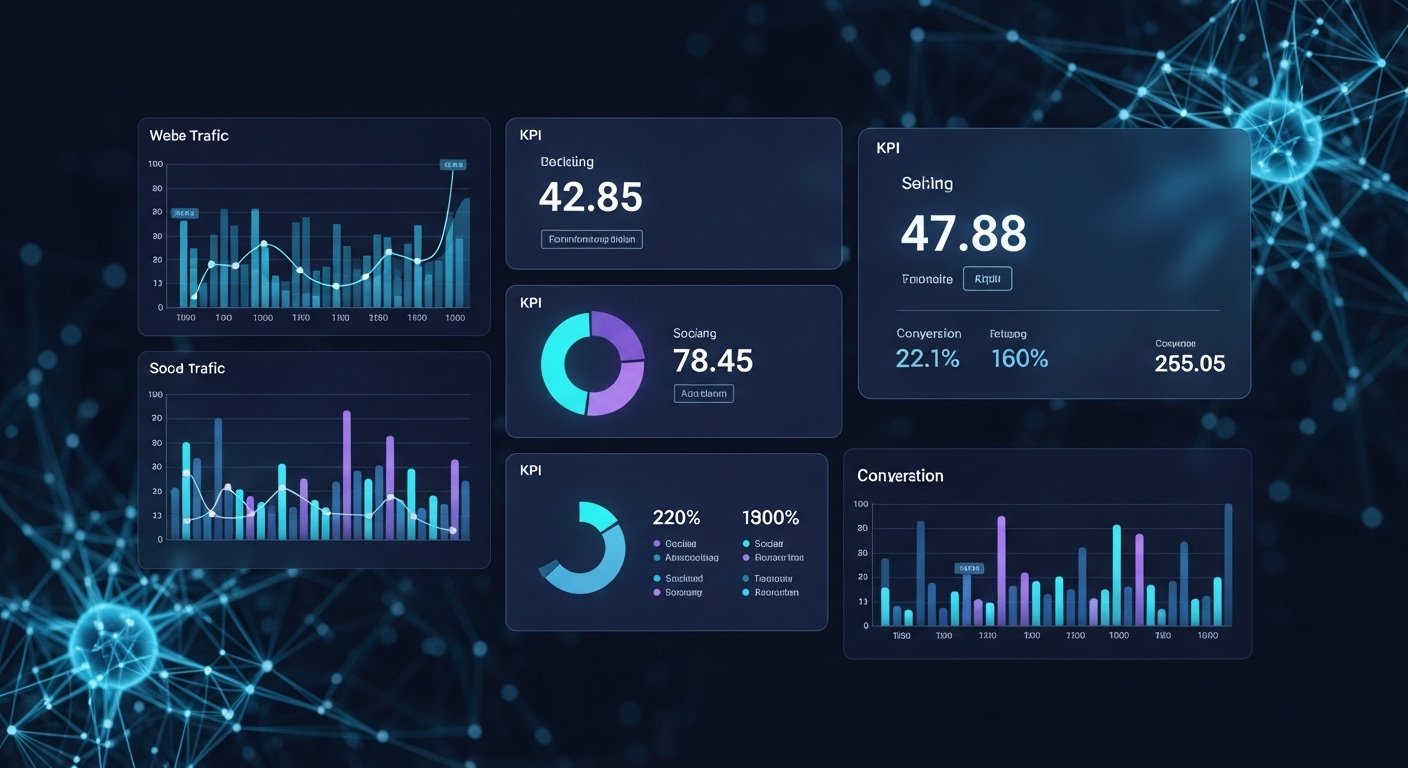
In today’s digital marketplace, businesses are flooded with data. Every click, every visit, and every purchase generates a data point. While this information is invaluable, the sheer volume can be overwhelming. Many business owners find themselves rich in data but poor in actionable insights. How do you cut through the noise to make decisions that actually drive growth? The answer lies in the evolution of artificial intelligence and its integration with modern analytics tools for marketers.
AI-powered analytics are no longer a futuristic concept reserved for tech giants. They are accessible, powerful solutions that can automate data analysis, uncover hidden patterns, and even predict future trends. By leveraging these tools, businesses of all sizes can move from reactive reporting to proactive, data-driven strategies that enhance customer experiences and maximize marketing ROI.
The Evolution from Traditional Metrics to AI-Driven Insights
For years, digital analytics revolved around tracking historical data. Marketers would look at metrics like page views, bounce rates, and conversion numbers to understand what happened in the past. While useful, this traditional approach is often manual, time-consuming, and limited in its predictive capabilities. It tells you the ‘what’ but rarely the ‘why’ or the ‘what next’.
AI-powered analytics represents a fundamental shift. These intelligent systems use machine learning algorithms to process vast datasets in real-time. They go beyond simple reporting to provide deeper context and predictive insights. Instead of just showing you that sales dropped last month, an AI tool might identify the specific customer segment that disengaged, correlate it with a recent change on your website, and recommend a targeted campaign to win them back.
Core Advantages of AI-Powered Analytics for Your Business
Integrating AI into your analytics workflow offers a significant competitive advantage. It empowers your team to work smarter, not harder, by automating complex tasks and delivering more profound insights. Here are some of the key benefits:
- Predictive Forecasting: AI algorithms can analyze historical data to predict future outcomes with surprising accuracy. This includes forecasting sales trends, identifying customers at risk of churning, and estimating the potential impact of a new marketing campaign.
- Enhanced Customer Segmentation: Move beyond basic demographic segmentation. AI can identify nuanced behavioral patterns to create dynamic micro-segments. This allows for hyper-personalized marketing messages that resonate more deeply with your audience.
- Automated Anomaly Detection: Was there a sudden spike in traffic or a drop in conversions? AI systems can automatically flag these anomalies, allowing you to investigate and respond quickly before they become major issues.
- Improved Marketing ROI: By providing clearer insights into which channels and campaigns are performing best, AI helps you allocate your marketing budget more effectively. It can optimize ad spend in real-time and provide recommendations for improving underperforming assets.
The practical difference between traditional and AI-enhanced analytics is stark. It’s the difference between looking in the rearview mirror and having a GPS that shows you the best route forward.
| Traditional Analytics Task | AI-Automated Solution |
|---|---|
| Manually building weekly performance reports. | Automatically generated dashboards with plain-language summaries and key insights. |
| Guessing which audience segments to target. | AI identifies high-value lookalike audiences and predicts their conversion likelihood. |
| A/B testing two versions of a landing page. | AI-powered multivariate testing automatically optimizes multiple page elements simultaneously. |
| Reviewing past data to understand cart abandonment. | AI predicts which users are likely to abandon their cart and can trigger a real-time intervention. |
Choosing the Right AI Analytics Tools for Your Needs
The market for AI-powered analytics is growing rapidly, with options ranging from comprehensive platforms like Google Analytics 4 to specialized niche tools. When evaluating different analytics tools for marketers, consider the following factors:
- Integration Capabilities: The tool should seamlessly connect with your existing marketing stack, including your CMS (like WordPress), CRM, and advertising platforms.
- Ease of Use: A powerful tool is useless if your team can’t understand it. Look for intuitive interfaces, clear visualizations, and helpful documentation.
- Scalability: Choose a solution that can grow with your business, handling increasing volumes of data and users without a drop in performance.
- Actionable Insights: Does the tool simply present data, or does it offer clear recommendations and next steps? The best tools translate complex data into plain-language business insights.
A Practical Roadmap to Integrating AI Analytics
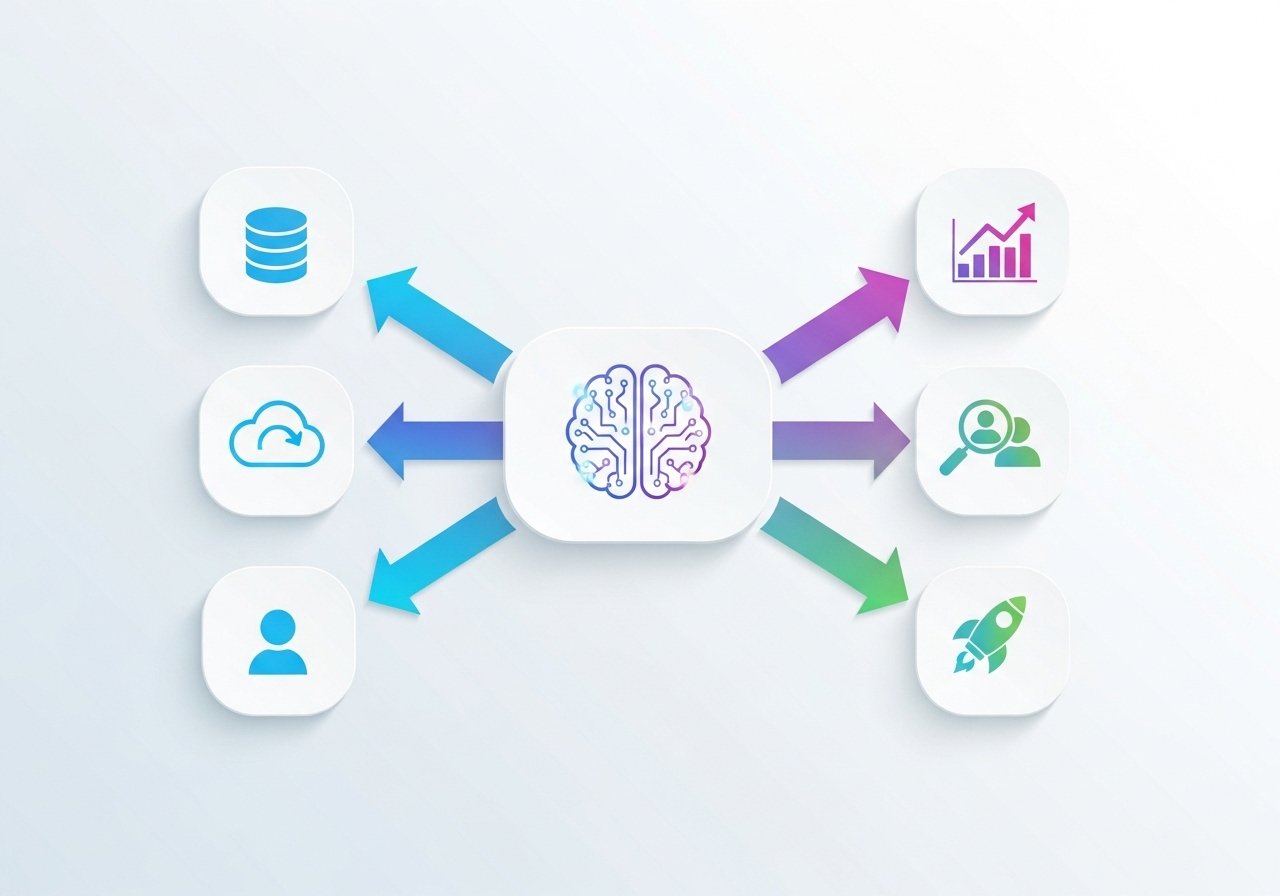
Adopting AI in your marketing strategy doesn’t have to be an intimidating overhaul. You can approach it with a clear, step-by-step plan to ensure a smooth transition and maximum impact.
- Audit Your Data Foundation: Before implementing any new tool, ensure your data collection is clean and accurate. This means having properly configured analytics (like GA4), consistent tracking across platforms, and clear data governance policies.
- Define Your Business Goals: What do you want to achieve? Whether it’s increasing customer lifetime value, reducing churn, or improving conversion rates, having clear objectives will help you focus your efforts and measure success.
- Start with a Pilot Project: Begin with a single, well-defined use case. For example, use an AI tool to analyze the behavior of your most valuable customer segment or to optimize a specific ad campaign. This allows you to learn and demonstrate value before a full-scale rollout.
- Empower Your Team: Provide training and resources to help your marketing team understand how to interpret and act on AI-driven insights. Foster a culture of data-driven curiosity and experimentation.
Navigating this process can be complex. If you need assistance with a GA4 audit, setting up a robust analytics framework, or creating insightful reporting dashboards, the experts at Digimek are here to help. Contact us today to discuss how we can unlock the power of your data.
Frequently Asked Questions
What is the main difference between AI analytics and standard analytics?
Standard analytics primarily focuses on descriptive reporting of past events (what happened). AI analytics adds predictive and prescriptive layers, using machine learning to forecast future trends (what will happen) and recommend actions (what you should do).
Do I need to be a data scientist to use these tools?
No. Modern AI analytics tools are designed to be user-friendly. They often use natural language processing and intuitive dashboards to present complex findings in a way that marketers and business owners can easily understand and act upon.
Can AI analytics really predict future sales?
Yes, within a certain margin of error. By analyzing historical sales data, seasonality, market trends, and marketing activities, AI models can create sophisticated forecasts that are far more accurate than manual estimations, helping with inventory and resource planning.
How can I ensure my use of AI analytics respects customer privacy?
This is crucial. Always use platforms that prioritize privacy and comply with regulations like GDPR and CCPA. Focus on analyzing anonymized, aggregated data and behavioral trends rather than personally identifiable information (PII) for marketing insights.
In conclusion, the integration of artificial intelligence is transforming the landscape of digital marketing. By embracing AI-powered analytics tools for marketers, businesses can finally make sense of their data, moving from guesswork to informed strategies that drive measurable results. This technology empowers you to understand your customers on a deeper level, optimize your marketing spend, and ultimately, make smarter decisions that fuel sustainable growth. Don’t let your data go to waste—let AI turn it into your most valuable asset.
